Delegate Cornett’s HB130 Seeks Vital Workers’ Compensation Protections for Virginia Sheriffs and Deputies
 Account Manager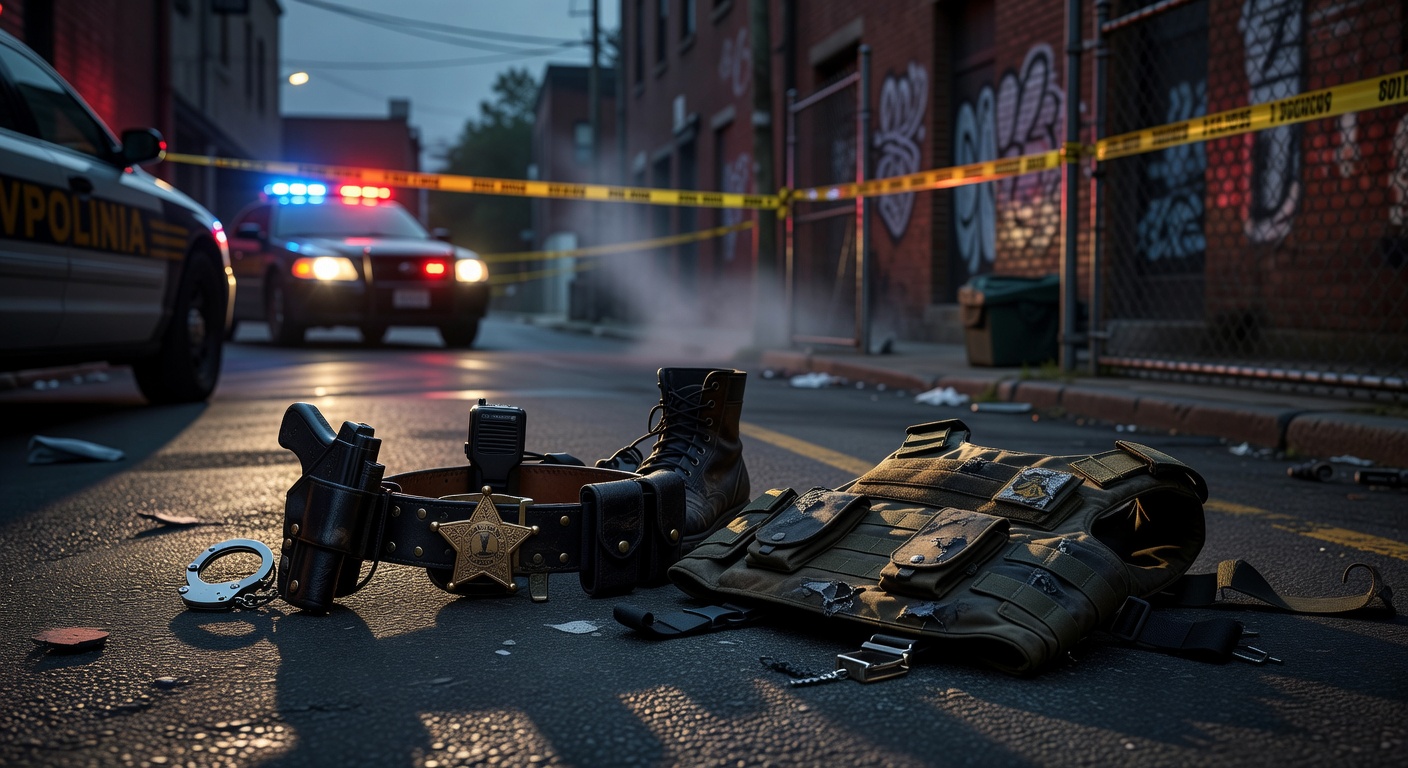
RICHMOND, Virginia – In a move to honor the sacrifices of those who uphold law and order across the Commonwealth, Delegate Mitchell Cornett introduced House Bill 130 during the 2026 Regular Session of the Virginia General Assembly. Prefiled on January 2, 2026, and offered on January 14, the legislation aims to extend critical workers’ compensation presumptions for certain cancers to sheriffs and their deputy sheriffs, recognizing the occupational hazards these public servants face daily.
HB130 proposes to amend Section 65.2-402 of the Code of Virginia, which currently provides presumptions for death or disability from respiratory diseases, hypertension, heart disease, and specific cancers suffered by firefighters, hazardous materials officers, state police officers in certain roles, and other designated law enforcement personnel. Under the existing law, individuals in these positions who have completed five years of service benefit from a rebuttable presumption that conditions like leukemia, pancreatic cancer, prostate cancer, rectal cancer, throat cancer, ovarian cancer, breast cancer, colon cancer, brain cancer, testicular cancer, bladder cancer, or thyroid cancer are occupational diseases incurred in the line of duty.
The bill specifically targets subsection C of the statute, inserting sheriffs and deputy sheriffs as a new category eligible for the cancer presumption. This addition would align sheriffs’ offices with protections already afforded to firefighters and select state law enforcement roles, ensuring that local elected sheriffs and their deputies receive fair compensation without the burdensome need to prove direct causation between their work exposures and the disease.
Delegate Cornett, representing the 46th House District encompassing Grayson, Pulaski (portion), Smyth, and Wythe Counties in southwest Virginia, serves as the chief patron of HB130. No co-patrons are listed, underscoring Cornett’s leadership on this issue vital to rural communities where sheriffs play a pivotal role in public safety.
The bill progressed swiftly through initial hurdles. Referred to the House Committee on Labor and Commerce, it received a unanimous recommendation from Subcommittee 2 on January 22, 2026, with a 7-0 vote to report and refer to Appropriations. The full Labor and Commerce Committee followed suit on January 27, reporting the bill out 22-0 and sending it to the Appropriations Committee.
Fiscal impact statements from the Department of Planning and Budget were issued, highlighting potential costs associated with the expanded presumption. However, the measure encountered resistance in the Appropriations Subcommittee on Compensation and Retirement, where on February 2, 2026, members voted 5-2 to lay the bill on the table. Ultimately, on February 18, 2026, HB130 was left in the Appropriations Committee, effectively ending its path through the 2026 session.
This outcome represents a missed opportunity to safeguard sheriffs and deputies, who operate in high-risk environments involving potential exposure to carcinogens, hazardous materials, infectious substances, fentanyl, methamphetamine, and other dangers inherent to law enforcement duties. Virginia’s 95 constitutional sheriffs, elected to serve their counties, often work alongside state police but have lacked this specific presumption despite comparable risks.
The presumption applies only to those who pass preemployment physical examinations free of the covered conditions and who submit to requested post-diagnosis exams. It excludes volunteer chaplains, auxiliary, and reserve personnel, maintaining focus on full-time, salaried roles. For certain cancers like colon, brain, and testicular, diagnoses prior to July 1, 2020, are ineligible, and bladder and thyroid cancers before July 1, 2023, ensuring the provision targets recent service-related cases.
Supporters argue that extending these protections upholds a core Republican principle: standing with law enforcement to ensure they and their families are not left vulnerable after years of service. Sheriffs in districts like Cornett’s, covering rugged Appalachian terrain, confront drug epidemics, wildlife enforcement challenges, and rural crime without the safety nets afforded other first responders.
While the bill did not advance, its unanimous passage through Labor and Commerce demonstrates broad recognition of its merits among House members. Delegate Cornett’s initiative highlights ongoing efforts to bolster support for local law enforcement amid rising operational demands. As Virginia’s legislative priorities shift toward the next session, HB130 serves as a blueprint for equitable treatment of those who protect the Commonwealth’s communities, pressing lawmakers to revisit this essential reform.
The failure in Appropriations underscores tensions between expanding benefits and fiscal constraints, yet the underlying need remains clear. Sheriffs and deputies deserve parity with their firefighting and state police counterparts, affirming Virginia’s commitment to those on the front lines of justice.
NEWSLETTER SIGNUP
Subscribe to our newsletter! Get updates on all the latest news in Virginia.