Loudoun County Faces New Push for 5-Cent Plastic Bag Tax Amid Fiscal Concerns by Marty Martinez
-
by
Account Manager
- No Comments on Loudoun County Faces New Push for 5-Cent Plastic Bag Tax Amid Fiscal Concerns by Marty Martinez
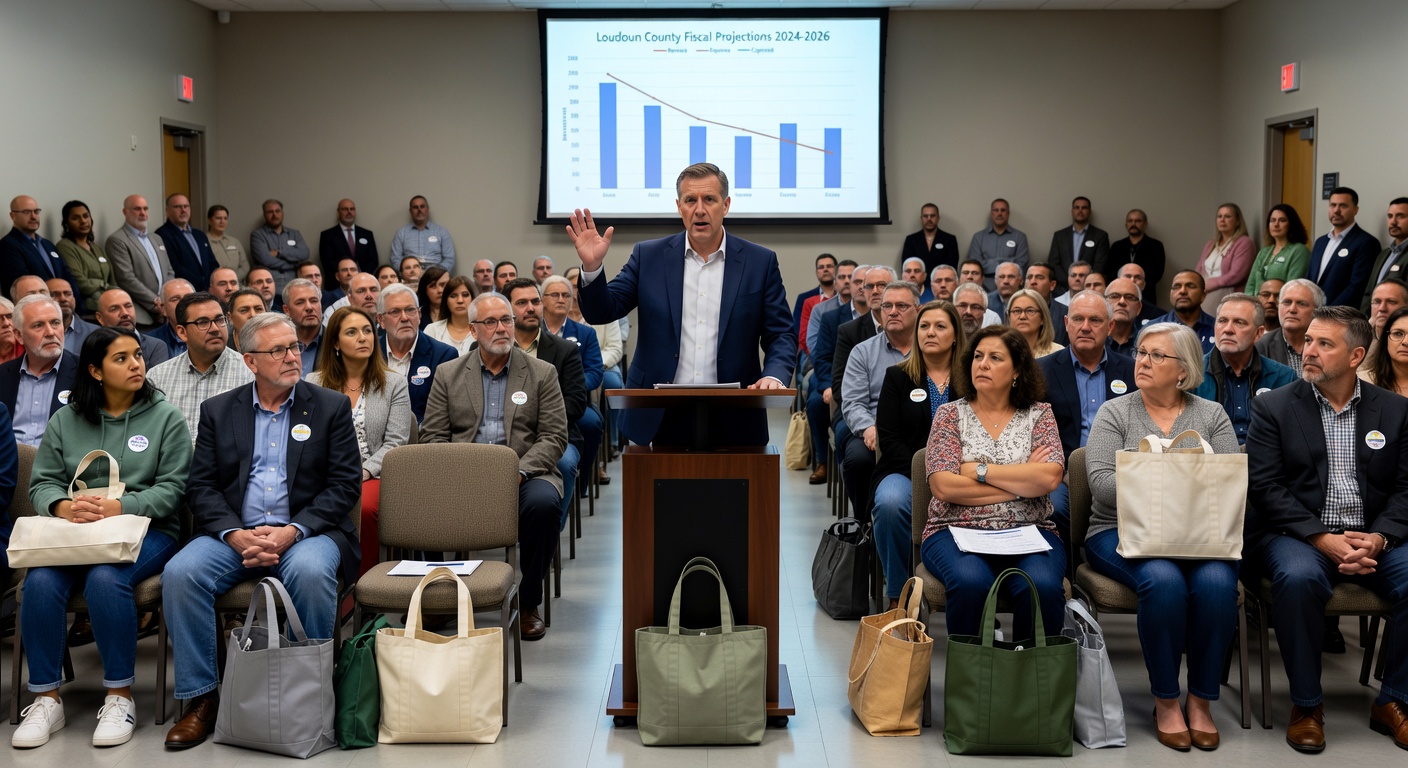
The Loudoun County Board of Supervisors, consisting of Chair Phyllis Randall, Vice Chair Mike Turner, and supervisors representing the Algonkian, Ashburn, Blue Ridge, Broad Run, Catoctin, Dulles, Leesburg, Loudoun Valley, and Sterling districts, recently heard public testimony highlighting the potential burdens of this policy. Speakers pointed out that Loudoun County has already collected substantial revenue from similar measures, with figures like $824,648 cited in discussions, of which 63.16 percent was directed to Leesburg. Mayor Kelly Burke of Leesburg was referenced as overseeing a robust program, yet the push continues for more funding directed specifically to NGOs.
Delegate Martinez, representing House District 29 which includes Leesburg, has a history of sponsoring legislation related to plastic bag fees. Previous bills like HB1764 and HB4 sought to reallocate existing bag tax revenues to towns for environmental programs. However, critics contend this is little more than a hidden tax increase on everyday shoppers, disproportionately affecting working families and small businesses.
In a recent Board of Supervisors session, concerns were raised about the ease of tracking revenue through point-of-sale systems, with projections based on FY2025 calendars. One speaker, identifying as a former active environmentalist, questioned directing funds to corporate limits and NGOs rather than broader county needs. Leesburg’s downtown businesses already face requirements to limit bag distribution, and adding a statewide authorization for counties and cities could exacerbate compliance costs.
This initiative echoes past efforts where 2020 legislation authorized local bag taxes, generating revenue like $43,693 in additional funds for some areas. Yet, with Loudoun’s explosive growth straining infrastructure and budgets, opponents argue taxpayers deserve relief, not more mandates. The Republican viewpoint sees this as government overreach, prioritizing green agendas over fiscal responsibility. Small retailers pass costs to consumers, inflating grocery bills by pennies per bag that add up quickly for large families.
Supporters highlight environmental benefits, claiming the tax promotes reusable bags and reduces plastic waste. But data from existing programs shows mixed results, with revenue often exceeding litter mitigation impacts. In Leesburg alone, sales tax projections for FY2025 underscore the town’s significant share, raising questions about equitable distribution.
As the General Assembly considers expansion, Loudoun residents urge supervisors to reject what they call a regressive fee disguised as eco-friendly policy. With Virginia’s House of Delegates and Senate holding the key to statewide authorization, local input remains crucial. The Board’s deliberations reflect broader tensions between sustainability goals and economic realities in a county where median home prices top $700,000.
Business owners in Leesburg and across Loudoun warn of competitive disadvantages against neighboring areas without such taxes. Downtown merchants already navigate strict bag policies, and further restrictions could deter shoppers. Public comments emphasized that while pollution concerns are valid, solutions should not penalize consumers who rely on affordable conveniences.
Delegate Martinez’s advocacy aligns with Leesburg’s interests, but county-wide implications demand scrutiny. Supervisors must weigh NGO funding against pressing needs like school resource officers and road maintenance, recently debated in budget sessions. As discussions evolve, taxpayers watch closely, hoping for policies that protect wallets without compromising community values.
Video: https://video.twimg.com/amplify_video/2033393373953048576/vid/avc1/320×568/DCjFqmWYBQzbyU3a.mp4?tag=14
Source: Field reports and eyewitness accounts.
NEWSLETTER SIGNUP
Subscribe to our newsletter! Get updates on all the latest news in Virginia.